Pay in installments of $6.54 with
 ,
,
 and
and

Shipping Estimate
USA
- USA
- CAN
- USA
- CAN
Ships within 48 hours · Estimated delivery Jun 30 - Jul 5
 Promo Codes Available:
For Your Every Summer RSVP, with Code: SUMMER15
Description
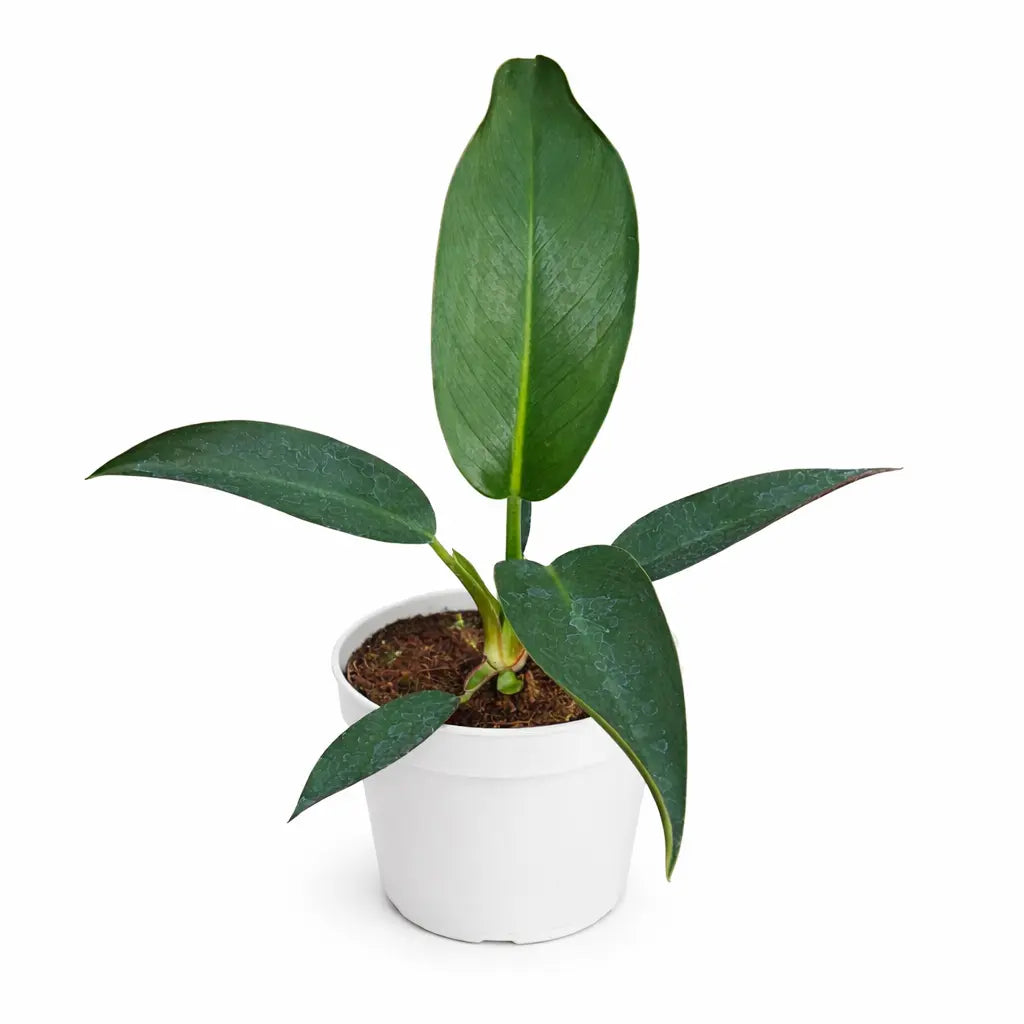
how do you spell philodendron Philodendron DavidsoniiThe Philodendron Davidsonii is a plant that breaks nearly every rule you think you know about Philodendrons. There is no visible stem. There is no vine. Instead, an underground rhizome sends up a succession of large, stiff, glossy leaves directly from below the soil each one held out on a long petiole and arranged in a bold, outward spreading bird's nest that can span over a metre across at maturity. Named by Thomas Bernard Croat, the world's foremost
The Philodendron Davidsonii is a plant that breaks nearly every rule you think you know about Philodendrons. There is no visible stem. There is no vine. Instead, an underground rhizome sends up a succession of large, stiff, glossy leaves directly from below the soil — each one held out on a long petiole and arranged in a bold, outward-spreading bird's nest that can span over a metre across at maturity. Named by Thomas Bernard Croat, the world's foremost Araceae taxonomist at Missouri Botanical Garden, after the botanist who first collected it from the wet tropical forests of Costa Rica and Panama, davidsonii is one of the few truly terrestrial Philodendrons — a ground-dwelling giant that in the wild eventually finds a tree and climbs it to the canopy. In cultivation it performs equally well as a spectacular self-heading rosette or, given a moss pole, a bold statement climber. The leaves themselves are remarkable — ovate-oblong, deep glossy green, up to 60 cm long, stiff and leathery, with many deeply sunken primary lateral veins that give the surface a quilted, architectural texture. One of the most impressive large-format aroids available, and one of the most forgiving.
Light▾
Medium to bright indirect light — one of the more light-adaptable large Philodendrons available. An east or west-facing window is ideal; it tolerates medium and lower-light conditions better than most collector aroids and can be positioned further from windows than species like the Emerald Queen or Prince of Orange. In lower light growth slows and leaves reduce in size but the plant remains healthy. No direct harsh afternoon sun — it scorches and bleaches the large glossy leaves. Gentle morning sun is fine and beneficial. A grow light at 12–14 hours works well indoors.
Watering▾
Allow the top 3–5 cm to dry before watering thoroughly. The davidsonii is more drought-tolerant than many aroids — its underground rhizome stores some moisture and the plant recovers well from brief dry spells. Consistently soggy soil causes root rot; let the mix approach dryness before the next watering. Water deeply and allow to drain completely; empty the saucer after watering. Reduce frequency slightly in winter but do not allow to dry out completely. Filtered or room-temperature water preferred.
Humidity▾
50–70% preferred — a humidifier is beneficial but not essential. The davidsonii is notably more humidity-tolerant across a wider range than most velvet aroids; it adapts well to typical Indian indoor conditions without supplemental humidity. Keep away from cold AC drafts and direct heating vents. Do not mist directly onto the leaves. India's tropical outdoor climate suits it naturally for semi-shaded garden or balcony growing.
Growing Media▾
Rich, well-draining aroid mix — 40% quality potting soil or coco coir, 25% orchid bark, 20% perlite, 15% worm castings. pH 5.5–7.0. The underground rhizome benefits from a slightly richer organic mix than epiphytic aroids. The mix must drain freely — the rhizome is susceptible to rot in waterlogged conditions despite tolerating moderate dryness. A wide, deep pot accommodates the spreading rhizome system; repot every 1–2 years in spring. The plant prefers to be slightly snug rather than over-potted.
Feeding▾
Balanced liquid fertilizer at half strength every 3–4 weeks during the growing season. The large leaves reward consistent feeding during active growth — visibly larger leaves and more frequent new growth flushes result from a good feeding schedule. Slow-release granules applied at repotting are an excellent low-maintenance option, supplemented with liquid feed monthly. Apply to moist soil only. Flush every 3 months to clear mineral salt build-up. Stop feeding in winter.
Leaves Staying Small▾
Insufficient light, underfeeding, or the plant being too root-bound. Move to a brighter indirect position, begin consistent feeding, and check whether roots are circling the pot base — if so, repot one size up in spring. Given a moss pole, the davidsonii will also produce progressively larger leaves with each growth cycle as it climbs.
Yellow Leaves▾
Overwatering — the most common cause. Allow the top 3–5 cm to dry before the next watering and ensure drainage is excellent. One older outer leaf yellowing as new growth pushes from the centre is normal cycling. Widespread yellowing with soggy soil: unpot, inspect the rhizome and roots, trim any soft or blackened sections, repot in fresh well-draining mix, and water less going forward.
Drooping or Wilting Leaves▾
Underwatering — the large leaves lose turgor quickly when the root zone is too dry. Water immediately and thoroughly. Adjust the watering schedule to check more frequently, particularly in hot Indian summer conditions. Once watered, the leaves recover within a few hours.
Brown Leaf Tips or Edges▾
Low humidity, tap water minerals, or salt build-up from fertilizer. Switch to filtered water, flush the soil thoroughly every 3 months, and boost humidity above 50%. Existing brown tips are permanent — trim neatly at a slight angle; new growth in corrected conditions will be clean.
Thrips or Spider Mites▾
Inspect the large leaf surfaces and undersides regularly. Thrips: silver streaking or distorted new growth — spinosad spray every 5–7 days for 4 weeks, quarantine immediately. Spider mites in dry conditions: boost humidity and treat with neem oil or insecticidal soap every 5–7 days for 3 weeks.
Quick Plant Profile▾
| Botanical Name | Philodendron davidsonii Croat |
| Named After | Described by Thomas Bernard Croat — Missouri Botanical Garden's foremost Araceae taxonomist; named after its collector |
| Common Names | Davidsonii Philodendron, Bird's Nest Philodendron, Giant Nest Philodendron |
| Family | Araceae |
| Origin | Costa Rica, Panama, Colombia; wet tropical rainforest; high canopy climber |
| Defining Feature | Underground rhizome — no visible above-ground stem; leaves emerge directly from soil level |
| Growth Habit | Bird's nest (self-heading rosette) in containers; climbing with a moss pole; both produce large glossy leaves |
| Leaf Detail | Ovate-oblong; deep glossy green; stiff and leathery; up to 60 cm long; deeply sunken lateral veins giving a quilted texture |
| vs. Climbing Philodendrons | No visible stem; more compact footprint; self-supporting without a pole; underground rhizome growth |
| Light | Medium to bright indirect; tolerates lower light better than most collector aroids; no direct harsh sun |
| Watering | Top 3–5 cm dry between waterings; more drought-tolerant than most aroids; never waterlogged |
| Humidity | 50–70%; adaptable; no misting on leaves; humidifier beneficial but not essential |
| Temperature | 18°C–30°C; no cold drafts; thrives in Indian indoor and outdoor tropical conditions |
| Mature Size | 1–1.5 m spread in containers; larger in-ground; climbing form produces progressively bigger leaves |
| Propagation | Rhizome division in spring; stem cuttings with at least one node |
| Ideal For | Large Spaces, Floor Plants, Statement Aroids, Collectors, Moss Pole Climbers, Tropical Gardens |
| Care Level | Easy to intermediate — one of the most forgiving large Philodendrons; bright light and correct watering are the two essentials |
Shipping Notes
- Free Standard Shipping on $100+ Orders to the USA.
- Except Preorder products are shipped in 48 hours.
- Delivery to the USA:
- Standard Shipping : 3-10 business days
- If time is of the essence, please consider selecting expedited delivery for faster service.
Exchange/Return Notes
- We offer a 30-day return/exchange service after receiving.
- Final sale items are not eligible for returns or exchanges.
- To process your return/exchange, please contact us at [email protected]
- Please click here for more details>>> Return & Exchange Policy